checklist
The Custom Cake Intake Checklist for the First Phone Call
Date, servings, flavor, filling, allergens, delivery address, setup window and retainer. The fields to capture before the caller hangs up, in the order that keeps the conversation moving forward.
Event date, delivery window and the venue address in full
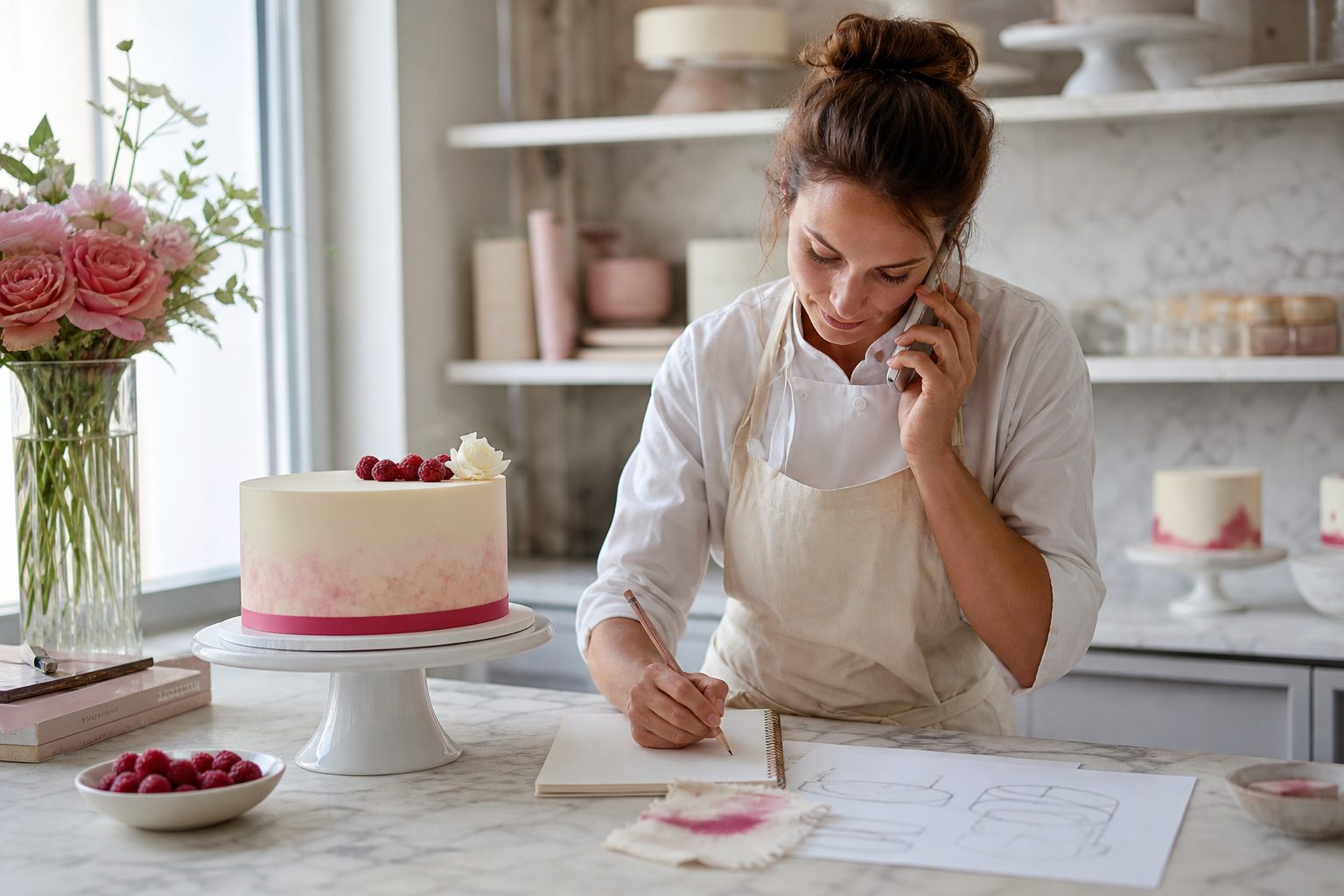
The first details to secure are the event date and the time window for delivery or pickup. Start the call by asking when the event takes place. Many bakers have multiple events in a weekend. Knowing this date immediately tells you whether your shop can take the order. It also sets the pace for the rest of the conversation. If the event is less than a week away, it may trigger a rush fee or limit design choices. If it is months out, you can offer a wider range.
After the date, confirm the delivery window. Ask when the cake must arrive at the venue, not just when the event begins. Some venues require setup hours before guests arrive. Others may have strict delivery windows or security procedures. Clarify if this is a drop-off or if you or your staff are expected to set up on site.
Get the full venue address, including suite numbers, business names, or any access instructions. This prevents confusion on event day. A street address alone is not enough for large hotels, event halls, or outdoor locations. Ask if there are loading docks, elevators, or stairs. These details may affect your delivery plan or fees.
Keep reading: Cake Serving Counts and Batter Yields by Pan and Tier Size
Guest count, serving size and the tier plan that fits it
Next, ask how many people the cake needs to serve. Some callers will know their exact guest count, while others may estimate. Make sure to clarify if the cake is the only dessert, or if other sweets will be served. This changes the portion size you recommend.
Discuss what serving size matters for the client. Standard wedding servings are smaller than party servings. Ask if they want to offer generous slices or just a taste to each guest. This affects both the cake's size and how many tiers to propose. Many bakers keep a chart or quick reference for tier sizes and servings. Use this to guide the client to the right plan: for example, a 6-inch and 8-inch tier might serve about 35, while a three-tier stack serves 75 or more.
Help the client visualize the cake. Some want tall cakes for the look, even if they have a small guest count. Others need sheet cakes in the kitchen to supplement display tiers. Discuss these options now. Explain how design elements, like sugar flowers or tall separators, can change the number of tiers or servings.
Flavor, filling and frosting, including what you will not make
Once size is set, move to the flavor, filling, and frosting details. Start with your menu options. If you offer a tasting, discuss how that works. If not, list the most popular choices first. Keep the conversation moving by narrowing choices: "We usually make chocolate, vanilla, and red velvet. Do you have a favorite?"
Ask about fillings and frosting. Some clients may want a fruit filling or a specialty buttercream. Others will ask about fondant or ganache. Be clear about what you offer and what you do not. For example, if you do not use whipped cream because of outdoor summer heat, explain why. If you will not make certain flavors for food safety or shelf life reasons, state that now. This prevents disappointment later.
Discuss how flavor choices affect price and stability. Certain options may cost more or require refrigeration. Let the client know if a flavor or filling is only available in certain seasons or with extra lead time.
Keep reading: Inside a Two Person Cake Shop's Week, Tuesday to Saturday
Allergens, dietary requests and who in the party is affected
Ask directly about allergies and dietary restrictions. Start by naming common allergens: nuts, dairy, eggs, gluten, soy. Some clients will say "no allergies" and move on. Others may have complex needs, such as a vegan cake or a gluten-free tier.
Clarify who in the party is affected. Is the cake for a child with a peanut allergy, or does the entire wedding party need to avoid dairy? This affects your approach. If only a few guests have restrictions, you might offer a separate mini cake or cupcakes. If the whole event is nut-free, you may need to prepare in a dedicated space or source ingredients from special suppliers.
Discuss the limits of your kitchen. Many bakeries work in shared spaces and cannot guarantee zero cross-contact. Be transparent about your process. If you cannot safely meet a request, refer the client early so they have time to find a solution. Document all allergen discussions in the order record.
Reference images, color matching and what the photo cannot promise
Most clients bring a reference image or Pinterest board. Ask if they have a specific cake in mind. If so, request the image by email or text during the call if possible. Describe what you see, colors, flowers, textures, toppers, to confirm you are talking about the same design.
Talk about color matching and design limits. Food coloring can shift under different lighting or in photos. Edible paints, airbrushing, and metallics may appear brighter online than in real life. If a client asks for an exact match to an invitation or dress, explain that you can get close, but edible materials are never identical to printed swatches or fabric dyes.
Discuss what is and is not possible with the tools and time you have. Some sugar flowers, hand painting, or sculpted toppers add hours of work. If a client brings a photo of a cake that used special molds or imported decorations, explain if these are available or require extra fees. Be upfront about copyright and the need to personalize a design rather than copy it exactly.
See how TieredOrders handles this for bakeries
Delivery, setup, stands, rentals and who returns them
Clarify the delivery plan. Ask if the cake will be picked up or delivered. If delivery, confirm the name and contact number for the venue coordinator or event planner. Some venues require advance notice for vendors, proof of insurance, or a delivery window. Make sure you have every detail.
If your bakery offers setup, ask about the display table, the room, and whether you or the staff will arrange the cake on site. Note if the cake must be moved later or if it will be on display outdoors. Sun, bugs, and temperature swings can ruin hours of work. Advise the client if the venue has air conditioning or if you recommend delivery closer to serving time.
Discuss stands, pedestals, or other display pieces. If you provide these on rental, record who is responsible for returning them and by what date. Some shops take a refundable deposit for stands. Others require the client or venue to deliver them back within a set time. Make sure the policy is clear and documented in the order.
Retainer amount, balance date and how the customer will pay
Discuss payment before the call ends. Most custom cake shops require a nonrefundable retainer to hold the event date. Explain the amount due and when the balance is required. Many shops set the balance due a week or two before the event. This policy helps cover ingredients and prevents last-minute cancellations.
Be clear about accepted payment methods. Some bakeries take credit cards, others prefer check or electronic payment. If you use an online invoice system, let the client know how they will receive it. If you require a signed order agreement, mention when and how that will arrive. Document what you shared, especially if the client asks for a payment plan or split invoices.
Remind the client when the final payment is due. Some shops will not start production until the balance is paid. If you offer a grace period or late fee, state this in writing.
Reading the order back and sending the written confirmation
Finish every intake call by reading the order details back to the customer. Go item by item: date, time, location, guest count, cake flavors, design notes, allergens, setup, rentals, payment plan. This step catches mistakes before they become expensive.
After the call, send a written confirmation. This can be an email, a text, or a formal order form. Include all key details and a summary of the payment schedule. Ask the client to reply with approval or changes. This written record protects both your shop and the customer from misunderstandings.
Many shops now use online forms to speed up this process. A system that captures intake details, applies pricing rules, secures deposits, and adds the event to your production calendar can save time and reduce errors. Tools built for custom cake orders help bakers keep every detail straight from first call to final delivery.